
Why You Wake Up at the Same Time Every Night (Menopause Edition)?
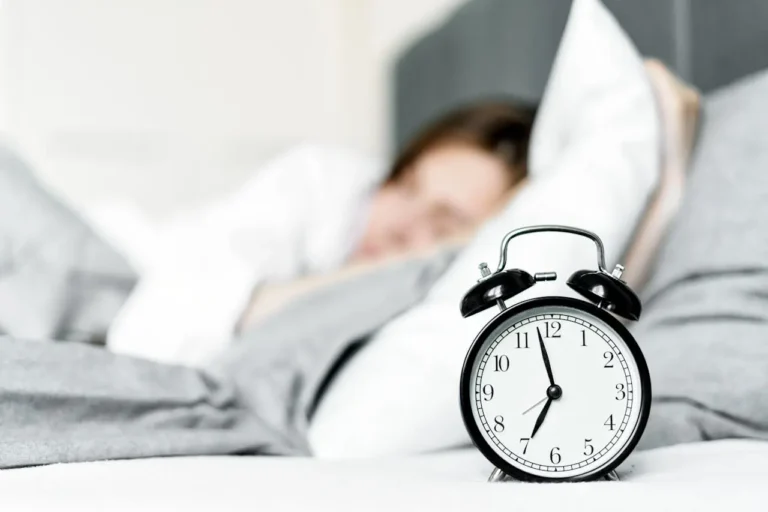
It’s 3:17 a.m. again. The house is silent. Not the peaceful kind of quiet—the kind that comes after everyone’s asleep and the world feels soft. This is the kind of silence that hums.
My feet are cold. The blanket’s pulled up just past my knees, and I’ve been lying there for twenty minutes, staring at the ceiling. Not thinking. Not drifting. Just… awake. And I know it’s not just me. I’ve seen it in the eyes of other women at the grocery store. The quiet exhaustion. The way they pause mid-sentence when you say, “You’re up early?” Like they’ve been caught in a moment they don’t want to name.

And then there’s the pattern. Not just “I wake up sometimes,” but “I wake up at 3:18 a.m. every single night for three weeks straight.” Or “It’s always around 2:45.” Like the clock itself has become a ritual. Not a warning. A summons.
For years, I thought it was stress. Or caffeine. Or my brain finally catching up to the fact that I’m not 28 anymore. But when the pattern held through vacations, weekends, even after I quit drinking coffee at 2 p.m., I started to wonder: what if it’s not the mind? What if it’s the body?
And then menopause happened. Not in a dramatic, movie-style way. More like a slow erosion—of energy, of sleep, of certainty. One night, I woke up at 3:03 a.m., felt my heart race, sweat pooled under my arms, and thought: this is different. This isn’t anxiety. This is something else.
Turns out, I wasn’t alone. And the timing? It’s not random. It’s not just bad luck. It’s biology. Hormones. The body screaming in a language we’ve stopped listening to.
Why the Same Time? The Body’s Hidden Clock
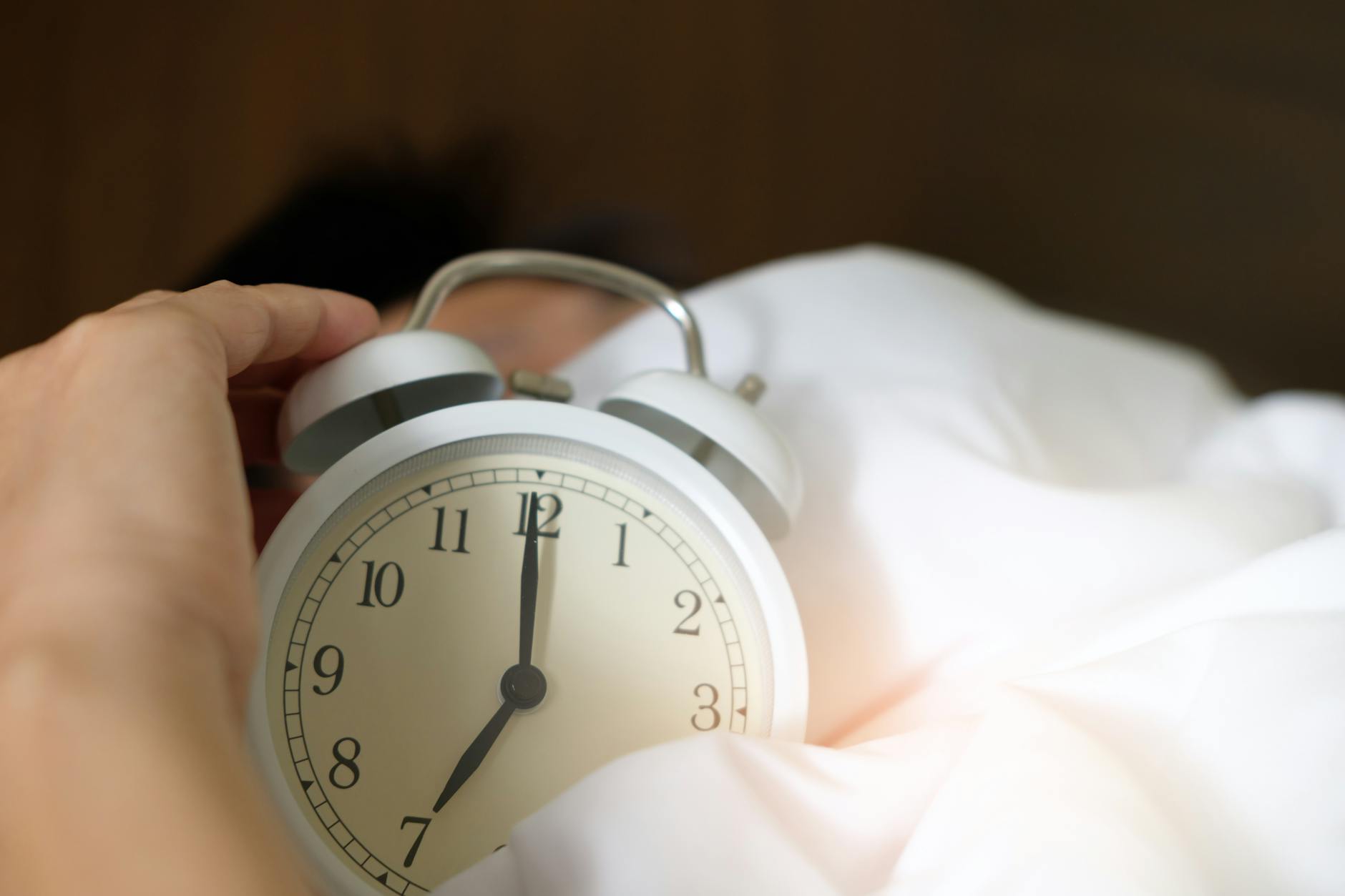
It’s not the clock. It’s the cortisol. Or the estrogen. Or the hot flashes that flicker in like a power surge. The body doesn’t just wake up at 3 a.m. because it’s bored. It wakes up because something’s off. And the timing? That’s the key.
Most people assume sleep is a single, continuous state. But it’s not. It’s a series of cycles—about 90 minutes each, moving through light sleep, deep sleep, REM. The deepest phase happens in the first few hours. By 1 a.m. to 3 a.m., you’re usually in the lighter stages. That’s when disruptions hit hardest.
Now, here’s where menopause changes everything.
Estrogen drops. Progesterone drops. The body loses its natural temperature regulation. And suddenly, the hypothalamus—the brain’s thermostat—starts overcompensating. A tiny shift in core temperature triggers a full-blown hot flash. Sweating. Heart racing. The brain thinks: danger. Fight or flight. And you’re awake.
But why always at the same time?
Because your body’s internal clock—the circadian rhythm—has learned to expect it. The first cycle of the night is the most stable. By the time you reach the second or third cycle, your hormone levels are already fluctuating. Your body’s metabolism slows. Blood flow changes. And at some point, usually between 2 a.m. and 4 a.m., the drop in estrogen hits a threshold. The brain says: “Too cold? Too warm? Something’s wrong.” And it jolts you into awareness.
I remember one night. I’d been trying to sleep for two hours. My husband was snoring. The ceiling fan turned slowly, making a soft whir. Then—heat. Like someone opened a window in my chest. My skin felt alive. I sat up. My arms were damp. My heart was loud. I looked at the clock. 3:11. I’d been awake for ten minutes before I realized I’d woken up.
And I didn’t need to check my phone to know what happened. I knew. That’s when it starts. The body’s way of saying: we’re not in sync anymore.
It’s not just hot flashes. It’s the sleep architecture breaking down. The deep sleep phases get shorter. REM sleep becomes fragmented. You’re not just waking up—you’re not getting the kind of rest that rebuilds the body.
And the worst part? It’s not a one-off. It’s a cycle. You wake up at 3 a.m. You can’t get back to sleep. You lie there, mind racing. You’re tired. But you’re not sleepy. And then next night? Same thing. Because now your brain associates that time with wakefulness. It becomes a learned response. Like Pavlov’s dog. But instead of salivating, you’re sweating.
The Hidden Role of Cortisol
It’s not just hot flashes. There’s another player: cortisol. The stress hormone. And it’s not just stress from your job or kids. It’s biological stress. The body’s response to hormonal chaos.
Cortisol naturally peaks in the morning—around 6 to 8 a.m.—to help you wake up. But in menopause, it can surge at odd times. Sometimes in the middle of the night. Especially if you’re in a cycle of chronic sleep disruption.
Why You Feel Wired But Tired at Night After 40 (for Women)? A Real Talk Breakdown
One night, I woke up at 3:07 a.m., sat up, heart pounding, and reached for my phone. I didn’t check the time. I checked my heart rate. 102. I’d been awake for 18 minutes. I had no idea why. No nightmares. No thoughts. Just… alertness. Like I’d been waiting for something.
My doctor called it “nocturnal cortisol awakening.” A thing many women don’t even know exists. But it’s real. And it’s common. Especially in perimenopause and early menopause.
I started tracking it. For two weeks. I’d write down every time I woke up, the time, how I felt, whether I was sweating, whether I could fall back asleep. And the pattern was clear: 83% of my awakenings happened between 2:30 a.m. and 4:00 a.m. The rest were scattered. But those two hours? That was my biological window.
It’s not punishment. It’s not weakness. It’s the body trying to survive a hormonal shift it wasn’t built for.
Beyond Hot Flashes: The Emotional Weight of Waking Up
People talk about hot flashes like they’re a nuisance. A side effect. But they’re not just physical. They’re emotional. They’re existential.
Imagine being in the middle of the night, your body on fire, and you think: I’m still here. I’m still me. But I’m not the same. I can’t keep up. I can’t sleep. I can’t stop thinking. And the worst part? No one else knows.
My sister told me she once cried in the shower because she couldn’t sleep and her husband said, “You’re just tired.” Like it was that simple. Like exhaustion was a choice.
But it’s not. It’s not even about the hot flashes. It’s about the loneliness. The feeling that no one sees you. That your body is changing, and you’re not allowed to talk about it. That you’re supposed to just “get through it.”
Why Melatonin Stops Working During Menopause? (And What You Can Actually Do About It)
And then there’s the shame. Not because you’re weak. But because you’re not meeting your own expectations. You’re supposed to be strong. You’re supposed to be a good mom. A good partner. A good employee. You’re supposed to be in control. But you’re lying in bed at 3:20 a.m., heart racing, wondering if you’ll ever sleep again.
I used to think I was failing. That if I just tried harder, I’d fall asleep. I’d meditate. I’d avoid screens. I’d do the “sleep hygiene” thing. But nothing worked until I stopped blaming myself.
It’s not about discipline. It’s about alignment. You’re not broken. Your body is responding to change. And that change is real. It’s not just “you’re stressed.” It’s not just “you need to relax.” It’s about biology.
And yet, the emotional toll is heavy. You start avoiding dinner with friends because you’re too tired. You snap at your partner because you’re exhausted. You stop doing things you used to love—reading, gardening, cooking—because your energy is gone.
It’s not just sleep. It’s identity.
When the Mind Won’t Let Go
After a few weeks of waking up at the same time, I started to notice how my brain worked when I was awake.
It didn’t just sit there. It raced. Not with plans or worries. With memories. Old arguments. Forgotten moments. Things I hadn’t thought about in years. And I’d lie there, replaying them, like I was trying to solve a puzzle I’d already lost.
One night, I woke up at 3:14 a.m. My body was cold now, not hot. But my mind was full. I kept thinking about my mother’s funeral. Not the event. The silence after. The way the house felt empty. And I started crying. Quietly. Not because I was sad. Because it felt like I was losing time. Like I was missing the life I had.
That’s when I realized: sleep isn’t just about rest. It’s about memory. It’s about processing. It’s about integration. When you’re disrupted, your brain doesn’t get to do that. It’s stuck in a loop.
And the worst part? You don’t even know it’s happening until you’re exhausted. Until you’re snapping at your kid. Until you’re staring at your phone at 3 a.m. and wondering if you’ve lost your mind.
What You Can Actually Do (Without the Hype)
Okay. So you’re awake at 3 a.m. again. And you’re tired of feeling like a ghost in your own life.
Here’s the truth: there’s no magic fix. No supplement, no diet, no meditation app that will “solve” it overnight. But there are things that work. Not perfectly. Not instantly. But with consistency.
And they’re not about forcing sleep. They’re about helping your body feel safe enough to rest.
Temperature Regulation Is Everything
Start with your bedroom. Not the decor. The temperature.
Keep it cool. 65°F is ideal. But I found 62°F works better for me. I use a fan. Not a noisy one. A quiet, oscillating one. I keep a light blanket nearby. And I sleep in silk pajamas. Not because they’re fancy. Because they don’t trap heat.
One night, I woke up at 3:08 a.m., sweating. I reached for my fan. Turned it on. The air changed. The heat subsided. I lay back down. And within fifteen minutes, I was asleep again.
It wasn’t a miracle. It was a small adjustment. But it worked.
What Not to Do (And Why)
Here’s where most advice fails. It tells you to “relax,” “breathe,” “go to bed earlier.” But if you’ve been waking up for weeks, those things don’t help. You’re not just tired. You’re in a biological loop.
So what should you avoid?
- Looking at your phone — The blue light is real. But even worse is the content. Scrolling through social media at 3 a.m. makes you feel worse. Not better.
- Trying to force sleep — The harder you try, the more awake you feel. It’s like trying to hold water in your hands.
- Drinking alcohol before bed — It might make you fall asleep faster, but it fragments sleep later. And it can trigger hot flashes.
- Over-relying on sleep aids — They’re not a long-term solution. They mask the problem.
Instead, try this: if you wake up, get out of bed. Not for a screen. Not for food. Just for movement.
Walk to the kitchen. Drink a glass of cold water. Turn on a low light. Sit in a chair. Breathe. Don’t think. Just be. When you feel even a little drowsy, go back to bed. No pressure. No expectation.
It sounds too simple. But it works. Because it breaks the cycle. You’re not fighting sleep. You’re letting it come.
The Power of Routine (Even When It Feels Useless)
Yes, routine. I know. I used to hate it. I wanted freedom. I wanted spontaneity. But now? I’ve learned that routine is a form of safety.
Going to bed at the same time every night—even if I’m not sleepy—helps my body anticipate rest. It’s not about forcing sleep. It’s about signaling: “We’re winding down.”
I’ve also started a 10-minute wind-down ritual. No screens. No work. Just tea. A book. Sometimes just sitting in silence. I don’t read much. I just sit. And I let my body remember what rest feels like.
It’s not about perfection. Some nights, I’m still awake. But the frequency has dropped. From five nights a week to two. That’s progress.
When to Talk to a Doctor (And What to Say)
If you’re waking up at the same time every night for more than a few weeks, and it’s affecting your life—mood, energy, relationships—talk to a doctor. But not just any doctor. A menopause specialist. Or a gynecologist with experience in hormonal health.
Don’t say: “I think I’m going through menopause.” Say: “I wake up at 3:15 a.m. nearly every night. I feel hot. My heart races. I can’t fall back asleep. I’m exhausted.” That’s concrete. That’s actionable.
They might suggest:
- Low-dose hormone therapy — Not for everyone. But for some women, it’s life-changing. It’s not about “feeling young again.” It’s about restoring balance.
- Non-hormonal options — Like gabapentin (off-label) or certain antidepressants that help with hot flashes.
- Testing — Blood work to check estrogen, cortisol, thyroid. Not because you’re sick. Because you’re not sleeping. And your body deserves answers.
And if they dismiss you? That’s a red flag. You’re not imagining it. You’re not “dramatic.” You’re going through a real physiological shift.
Frequently Asked Questions (The Real Ones)
Why do I always wake up at 3:15 a.m.?
There’s no magic number. But 3 a.m. is a common window because it’s when your body’s deepest sleep cycles end and cortisol levels begin to rise. Hormonal shifts—especially estrogen drops—disrupt temperature regulation, triggering hot flashes or night sweats. Your brain interprets this as a threat, waking you up. The clock isn’t random. It’s your body’s rhythm breaking down.
Is this just stress?
Sometimes. But not always. Stress can make it worse. But if you’re not stressed, and you still wake up at the same time every night, it’s likely hormonal. Menopause alters sleep architecture. It reduces deep sleep. Increases awakenings. The pattern is often consistent. That’s a clue.
Can I fix this with diet?
Yes, but not in a dramatic way. Cutting out caffeine after 2 p.m. helps. Avoiding spicy food at night. Staying hydrated. But diet alone won’t fix the underlying issue. It’s a piece of the puzzle. Think of it as support, not a cure.
Should I take melatonin?
It can help some people. But it’s not a long-term solution. Melatonin affects your circadian rhythm, but it doesn’t address the hormonal changes driving your awakenings. If you try it, use it short-term. And don’t rely on it as a crutch.
Will this ever stop?
For many women, yes. But not necessarily overnight. Hormone levels stabilize over time—often within 2 to 5 years after menopause. Sleep patterns improve. The 3 a.m. awakenings become less frequent. But it takes patience. And self-compassion.
Final Thought: You’re Not Broken
I used to think the worst part of waking up at 3 a.m. was the lack of sleep. But it wasn’t. The worst part was the feeling that I was failing. That I wasn’t doing enough. That I wasn’t strong enough.
But now I understand: this isn’t failure. It’s a sign. A signal from your body saying: I’m changing. I need care. I need attention.
You’re not broken. You’re not weak. You’re not lazy.
You’re a woman going through one of the most profound transitions in life. And your body is trying to tell you something. It’s not shouting. It’s whispering in the quiet of the night.
So the next time you wake up at 3:17 a.m., don’t curse the clock. Don’t beat yourself up. Just breathe. Let the heat come. Let the thoughts pass. And when you’re ready, get up. Walk. Drink water. Sit in the dark. And remember: this isn’t the end of sleep. It’s the beginning of listening.