
Why Melatonin Stops Working During Menopause? (And What You Can Actually Do About It)
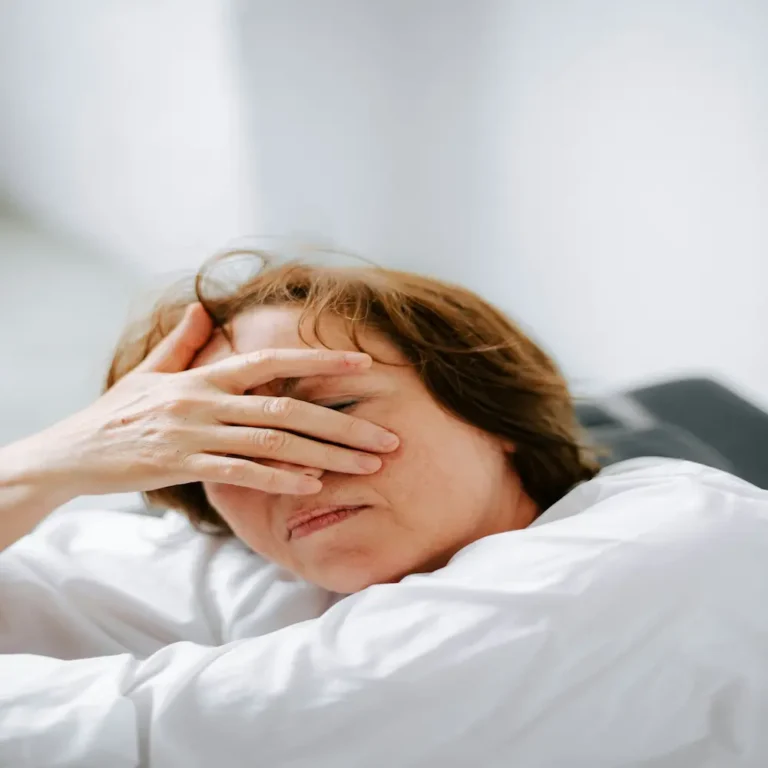
I sat on my kitchen floor last Tuesday at 3:17 a.m., back against the fridge, legs curled under me, a half-empty mug of chamomile tea cooling in my hand. Outside, the streetlight flickered like a dying heartbeat. My mind was still running. Not racing—just… there. Present. Too present. I’d taken my usual 3mg melatonin an hour earlier. It had done nothing. Not even a whisper of drowsiness.
It wasn’t the first time. Not even close. But this time, something in me cracked. Not dramatically. No tears. No shouting. Just a quiet, sinking realization: this isn’t working anymore. And I’m not sure why.
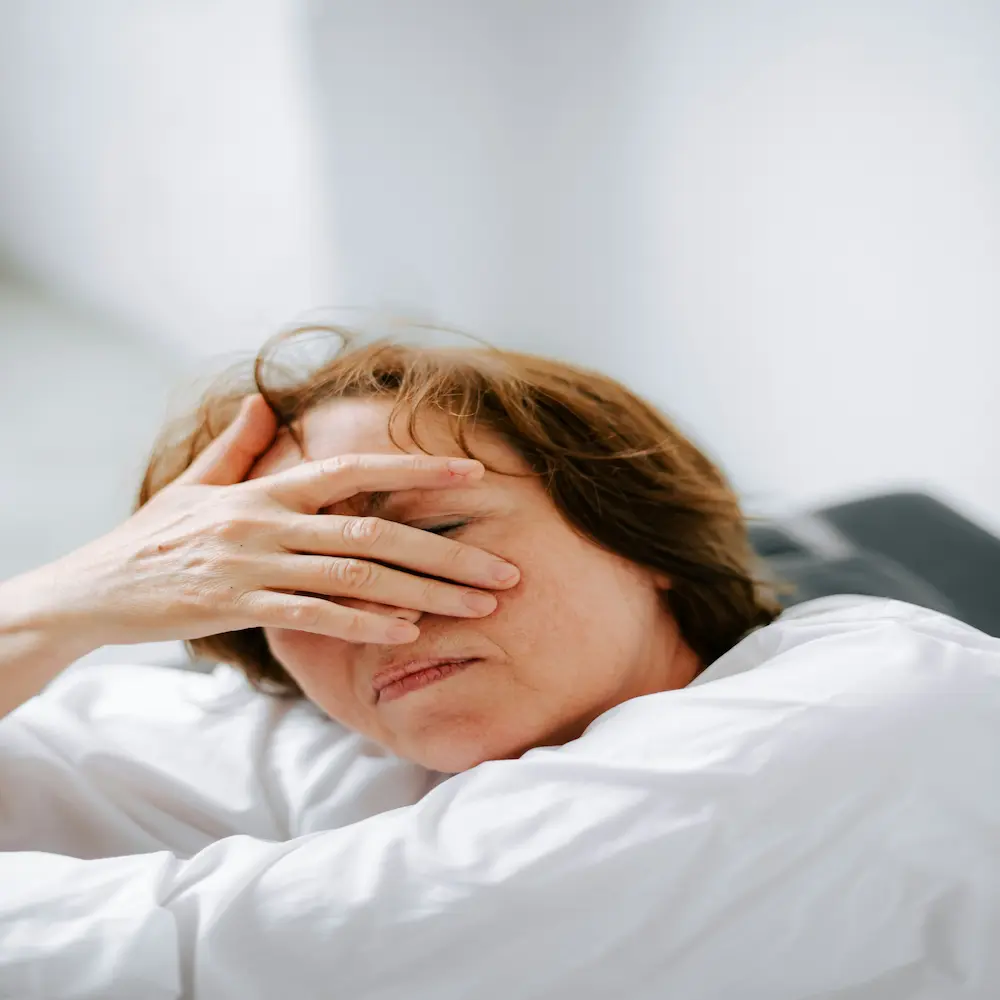
As One of my Clients said ” I’m 52. Menopause hit me like a slow-motion train—no warning, no fanfare, just a gradual dimming of energy, a shift in mood, and a sleep pattern that used to be predictable now feeling like a foreign country. I used to fall asleep within ten minutes of my head hitting the pillow. Now, I count ceiling tiles. I stare at the ceiling fan like it owes me an explanation.
And melatonin? I’ve been taking it for years. Not because I loved it, but because it was the thing I could control. The ritual. The small act of saying: I’m still in charge of this night.
Now, it’s like I’m whispering into a void.
What Melatonin Actually Does — And Why It Used to Work
Let’s start with the basics, but not the textbook kind. I hate how people talk about melatonin like it’s a magic pill. It’s not. It’s a hormone. A tiny one. Made in your pineal gland, deep in the brain. Its job? Signal to your body: It’s time to wind down.

When you’re younger, your body produces melatonin naturally. It starts to rise around 9 p.m., peaks around midnight, then fades. It’s not a “sleep button.” It’s more like a soft dimmer switch on your nervous system. You don’t feel it. You just… start to drift.
But here’s the thing: melatonin doesn’t make you sleep. It just helps your body prepare for sleep. It’s like lighting the pilot light in a furnace—once it’s on, the whole system can ignite.
That’s why it worked for me for years. Not because I was a perfect sleeper, but because my body was still listening. My system was still responsive. I’d take the pill, lie down, and 20 minutes later—gone. Like someone flipped a switch.
Now? I take it. I wait. I stare at the ceiling. I think about my daughter’s college application. I wonder if I left the stove on. I feel more alert than I did before bed.
It’s not that melatonin is broken. It’s that my body isn’t responding the same way anymore.
The Real Reason Melatonin Stops Working: Hormonal Chaos Isn’t Just About Estrogen
Everyone talks about estrogen dropping during menopause. And yes, that’s huge. But what they don’t tell you is that melatonin production is tied to a wider hormonal web that’s unraveling.
Estrogen doesn’t just regulate periods. It has a quiet, constant influence on the entire sleep-wake cycle. It helps modulate melatonin. It helps stabilize the limbic system. It keeps the nervous system from overreacting to stress.
When estrogen dips—especially in the perimenopausal phase—things get unstable. Your body isn’t just losing one hormone. It’s losing a whole support structure.
I remember the first time I noticed my sleep really breaking down. It wasn’t just “I can’t sleep.” It was that I’d wake up in a cold sweat, heart pounding, no idea why. My hands would shake. I’d lie there, wide awake, thinking: Was that a panic attack? Or just my body screaming that something’s wrong?
Turns out, it was both. And melatonin wasn’t the solution. It was like putting a bandage on a sprained ligament when you need physical therapy.
And here’s the kicker: melatonin isn’t just affected by estrogen. It’s also influenced by cortisol, thyroid function, blood sugar, gut health, even vitamin D levels. All of which can spiral during menopause. It’s not just one thing breaking—it’s a cascade.
So when melatonin stops working, it’s not because the pill failed. It’s because the system it’s supposed to work with is in disarray.
Why You Feel Wired But Tired at Night After 40 (for Women)? A Real Talk Breakdown
What You’re Missing When You Blame Melatonin
Here’s the thing most people don’t say: if melatonin isn’t working, it’s not the medication’s fault. It’s a red flag. A signal.
That’s what I realized after my third sleepless night in a row. I wasn’t just frustrated—I was scared. Not of insomnia. Of being out of control. Of my body betraying me.
I started keeping a sleep journal—not the kind with fancy apps. Just a notebook. I wrote down:
After two weeks, the pattern became obvious: the worst nights weren’t just about melatonin. They were tied to:
And—this one hit hard—my nightly routine had become a performance. I’d take melatonin, then immediately check my phone. Scroll. Read emails. Watch a YouTube video. Then wonder why I couldn’t sleep.
It wasn’t melatonin failing. It was my entire sleep architecture collapsing.
The Myth of the “Sleep Pill”
We treat melatonin like a fix. Like a quick switch. But it’s not a pill that causes sleep. It’s a tool. A signal. And if the signal is being drowned out by noise—stress, hormonal chaos, poor habits—it won’t matter how much melatonin you take.
I’ve seen women in support groups say, “I take 10mg and still can’t sleep.” And I want to say: That’s not melatonin’s fault. That’s your system being overloaded.
And here’s the uncomfortable truth: high-dose melatonin (5mg, 10mg) isn’t safer than you think. It can suppress natural melatonin production over time. It can cause morning grogginess. It can mess with your cycle. It can even trigger vivid dreams or anxiety in some women.
So if you’re thinking, Maybe I just need more melatonin, stop. The answer might be the opposite.
What Actually Works (Beyond Melatonin)
After months of frustration, I finally stopped chasing a magic pill. I started trying things that felt… human. Small. Real.
1. Temperature Matters More Than You Think
My bedroom used to be warm. I liked it. Now, I discovered—through trial and error—that my body temperature spikes during menopause. Hot flashes don’t just happen during the day. They hit at night too. And when you’re in the middle of the night and your body is suddenly on fire, melatonin won’t help.
I started using a cooling mattress pad. Not expensive. Not fancy. Just a simple one with gel beads. I turned the thermostat down to 66°F. I started sleeping in breathable cotton pajamas—no synthetic fabrics. I kept a cold glass of water by the bed.
Within a week, I noticed a difference. Not dramatic. But real. I didn’t wake up soaked in sweat. I didn’t feel like I was on a rollercoaster of heat and chill.
It wasn’t a cure. But it removed one of the biggest sleep disruptors.
2. The 90-Minute Wind-Down Rule
My old routine? Melatonin at 10 p.m. Then I’d scroll through Instagram. Watch a show. Check work emails. Lie in bed thinking about the next day.
That’s not a wind-down. That’s a buildup.
So I changed it. I set a new rule: no screens after 8:30 p.m. I started reading actual books. Not on a tablet. Paper. Real pages. I’d light a candle. I’d write in my journal. I’d do 10 minutes of gentle stretching.
And I waited. I didn’t rush to bed. I let myself feel tired. Not forced. Not pressured. Just… tired.
After a few weeks, I noticed: I wasn’t falling asleep faster. But I was staying asleep. And when I did wake up, I could fall back asleep more easily.
It wasn’t because of melatonin. It was because my nervous system was finally getting a break.
3. What About Hormone Testing? (And Why It’s Not Always the Answer)
I got my hormone levels tested. Not because I thought the results would fix everything—because they won’t. But because I wanted to know what I was working with.
The results showed: low estrogen, elevated cortisol, borderline low vitamin D. Not surprising. But what was surprising was how much it didn’t tell me.
My doctor said, “You’re in perimenopause. That’s normal.”
And it was. But normal doesn’t mean okay. Normal doesn’t mean you have to live with it.
So I started working with a functional medicine practitioner. Not for a quick fix. For a map. For understanding how my body was reacting to stress, food, sleep, and hormones.
She didn’t give me a prescription. She gave me questions.
- How’s your gut health?
- Are you eating enough protein at dinner?
- Do you feel nourished, or just fed?
- When was the last time you felt truly relaxed?
It wasn’t about fixing one thing. It was about rebuilding the whole system.
The Emotional Weight of Sleeplessness During Menopause
This isn’t just about sleep. It’s about identity.
For years, I defined myself by being “on top of things.” I was organized. Efficient. A good partner. A capable mom.
Now? I’m tired. I forget things. I snap at my partner over small things. I cry during commercials. I feel like I’m failing at being myself.
And sleeplessness isn’t just exhausting. It amplifies everything. It makes anxiety louder. It makes sadness heavier. It makes me feel invisible.
I remember crying in my car once because I couldn’t sleep. Not because I was sad. Because I was so tired I didn’t know how to keep going.
That’s the real cost: not the lack of sleep. The loss of self.
And melatonin doesn’t fix that. Not alone.
FAQ: Real Questions, Real Answers
Can I still take melatonin during menopause?
Yes—but not as a crutch. If you’re going to take it, start low (0.5mg–1mg). Use it only when needed. Don’t assume it’ll work every night. And stop if you notice grogginess, vivid dreams, or rebound insomnia.
Does melatonin interfere with hormone replacement therapy (HRT)?
There’s no strong evidence it does. But some women report that melatonin can affect their cortisol levels. If you’re on HRT, talk to your doctor before adding melatonin, especially if you’re using compounded or bioidentical forms.
Are there natural alternatives to melatonin?
Yes. Magnesium glycinate (300mg at night), passionflower, valerian root, or ashwagandha may help support sleep. But they work best when paired with lifestyle changes—not as standalone fixes.
Why do hot flashes ruin my sleep?
Because they disrupt your core body temperature. Your brain is programmed to stay in a stable thermal range. When you’re suddenly hot, your body thinks it’s in danger. It triggers a fight-or-flight response—even in the middle of the night. That’s why cooling strategies matter more than you think.
Can stress really mess up melatonin?
Yes. Chronic stress raises cortisol, which directly suppresses melatonin production. If you’re stressed all day, your body may not produce enough melatonin—even if you’re taking a supplement. Managing stress is not optional. It’s foundational.
Final Thoughts: What It Means to Listen to Your Body
I still take melatonin sometimes. Not every night. Maybe once a week. When I’m traveling. When I’ve had a rough day. When I’m in a new sleep environment.
It’s not a solution. It’s a tool. A small one.
What’s helped more is learning to stop trying to fix myself with pills. Learning to sit with discomfort. To recognize that sleeplessness isn’t a failure. It’s a signal.
It’s telling me: You’re tired. You’re overwhelmed. You’re changing. And that’s okay.
Menopause isn’t a problem to be solved. It’s a phase. A transition. And if we treat it like a crisis, we miss what it’s really offering: a chance to slow down. To rebuild. To listen.
Maybe the real answer isn’t in the pill. Maybe it’s in the quiet moments—after the lights are off, before sleep comes. When you’re just… there.
Not fixing. Not managing. Just being.
That’s when I’ve found the most rest. Not because I’m sleeping. But because I’m finally learning how to be awake.